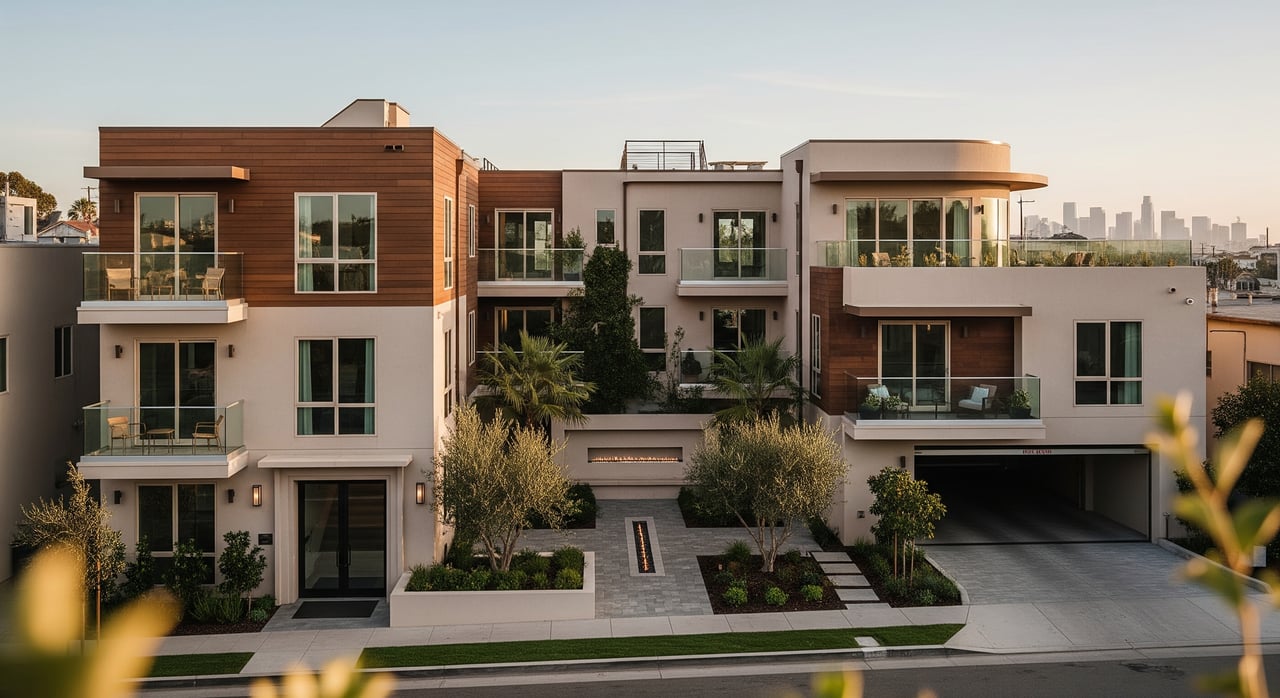
Thinking about house-hacking or adding a 2–4 unit building to your portfolio in Torrance? You’re not alone. Small multifamily can deliver income, flexibility, and long-term upside in a stable South Bay market. In this guide, you’ll learn where these properties tend to cluster, how to underwrite rents and returns, your financing options, and the key due diligence steps that matter in Torrance. Let’s dive in.
Why Torrance for 2–4 units
Torrance blends residential stability with convenient access to South Bay jobs, retail, and transit. Many neighborhoods were built in the postwar era, so you’ll find scattered duplexes and triplexes alongside single-family homes. That mix creates opportunities for both investors and owner-occupants.
Zoning plays a major role. Areas designated for higher density, or older pockets that predate current rules, are where small multifamily often exists. Before you assume anything about unit legality or expansion potential, review the city’s code and parcel specifics. Start with the City of Torrance Planning Division to see zoning and land use guidance.
Statewide landlord-tenant rules also influence your plan. California’s rent cap and just cause protections apply broadly, while Torrance is separate from the City of Los Angeles’ local rent control framework. Always confirm current statewide protections with the California Department of Housing and Community Development and check any Torrance-specific ordinances before you buy.
Where 2–4 units cluster
You’ll most often see duplexes, triplexes, and fourplexes in and around:
- Older blocks near downtown Torrance.
- Transitional areas stepping up from single-family to R-2 or R-3 zoning.
- Corridors near major retail and transit, including stretches along Torrance Boulevard, Sepulveda Boulevard, and Hawthorne Boulevard.
- Pockets near large commercial anchors like Del Amo Fashion Center.
These are general patterns. Verify zoning at the parcel level through the City of Torrance Planning Division and confirm unit counts and legal descriptions with the Los Angeles County Assessor.
How to find viable properties
Use a mapped, data-first search so you spend time on real opportunities.
- Map the right zones
- Highlight R-2 and R-3 areas on the city zoning resources.
- Note transitional blocks that step up from single-family to multifamily.
- Cross-check parcels
- Pull assessor data to confirm the recorded unit count, lot size, and property use. The LA County Assessor portal is your starting point.
- Combine MLS and on-the-ground intel
- Ask your agent to filter the MLS for duplex, triplex, and fourplex listings within your target ZIPs.
- Drive or walk target streets to spot buildings with multiple meters, grouped mailboxes, or management signage.
- Validate everything
- Compare advertised unit counts to assessor records and permits.
- Review building history with City of Torrance Building & Safety during due diligence. Start at Building & Safety.
Pro tip: To gauge how rare 2–4 unit buildings are in a given area, review the “Units in Structure” table for Torrance on data.census.gov.
Rents and income underwriting
Strong underwriting starts with tight rent comps and a disciplined approach.
How to build rent comps
- Pull recent, local comparables by bedroom count and vintage within a half-mile radius when possible.
- Adjust for in-unit laundry, parking, updated kitchens/baths, outdoor space, and utilities included.
- Present ranges, not a single number. Medians and interquartile ranges help avoid outliers.
- Use several sources and date your data. As a cross-check, consult HUD Fair Market Rents for the LA-Long Beach metro.
Operating assumptions to model
- Vacancy and credit loss: 4–8% in stronger submarkets, higher if property condition or location is less competitive.
- Operating expense ratio: 35–55% of gross income for small, older buildings. Smaller properties often have higher per-unit costs.
- Property management: commonly 6–8% of gross rent if outsourced, or a flat per-unit fee depending on scope.
- Reserves for replacements: $300–$1,000 per unit per year, depending on age and condition.
Why yields vary in Torrance
- South Bay demand can compress cap rates, especially for well-located buildings.
- 2–4 unit properties often trade on comparable sales and buyer demand, not just institutional metrics.
- Owner-occupants sometimes pay a premium because they capture both housing utility and rental income.
Valuation metrics that matter
Use these metrics to compare deals side by side.
- Gross Rent Multiplier (GRM): Price ÷ Gross scheduled annual rent. Quick way to compare across neighborhoods.
- Net Operating Income (NOI): Gross rent − vacancy − operating expenses. Excludes mortgage payments and capital expenditures.
- Capitalization rate (cap rate): NOI ÷ Purchase price. Higher cap rate can indicate higher risk or value-add potential.
- Cash-on-cash (CoC): Pre-tax cash flow ÷ Cash invested. Useful when leverage is involved.
Simple underwriting flow
- Gather recent Torrance sold comps for 2–4 unit properties and their gross annual rents.
- Compute GRM to see where your target sits vs. comps.
- Build a pro forma: NOI = Gross rent × (1 − vacancy) − operating expenses.
- Estimate cap rate and test sensitivities for vacancy and expenses.
- Layer in projected debt service to calculate cash-on-cash.
Financing paths for 2–4 units
You have several routes depending on occupancy, condition, and your profile.
FHA loans for owner-occupants
- Lower down payment options compared to many conventional programs for 2–4 units you will occupy.
- Property must meet FHA standards and you must live in one unit as your primary residence.
- Check LA County loan limits and current mortgage insurance rules on the HUD loan limits page.
Conventional loans
- Competitive pricing for well-qualified borrowers, with options for owner-occupied and non-owner-occupied 2–4 units.
- Expect higher down payment and reserve requirements than for a single-family home.
- Review program rules in the Fannie Mae Selling Guide and confirm specifics with your lender.
Portfolio and community banks
- Flexible underwriting for unique income scenarios or property conditions.
- Terms vary. Relationship banking can speed approvals, but pricing may differ from conforming loans.
Bridge, hard money, and private lenders
- Useful for quick closes or heavy rehab.
- Higher rates and points with short maturities. Always model your exit plan to permanent financing or sale.
Seller financing and creative structures
- Possible in select situations with motivated sellers. Structure carefully with legal guidance.
Typical documentation lenders request
- Personal tax returns, W-2s or 1099s, pay stubs, bank statements, credit report.
- Purchase contract, property details, and appraisal.
- Rent roll, copies of leases, and income history for investor loans.
- If you already own rentals, provide a current P&L and schedule of real estate owned.
Due diligence checklist for Torrance
Pre-offer research
During escrow
- Rent roll and leases: Collect current leases, security deposit ledger, and payment history. Reconcile to advertised or market rents.
- Tenant estoppels: For clarity on terms, deposits, and claims.
- Utility setup: Identify who pays what and whether meters are separate.
- Full inspections: Structural, roof, pest/termite, plumbing, electrical, and HVAC. Older South Bay buildings often need careful termite and moisture checks.
- Seismic risk: Ask about soft-story elements and retrofit history. Torrance may not mirror the City of LA’s mandatory program, but seismic resilience and insurance matter.
- Environmental: Consider a Phase I if lender requires or if the site is near industrial uses.
- Insurance: Price landlord and liability coverage, and consider earthquake insurance.
- Property taxes: Understand assessed value, Prop 13 implications, and any special assessments.
- Compliance: Confirm any conversions or ADUs were permitted. Unpermitted units can impact financing and safety.
- Local rules: Review any business license, short-term rental, or registration requirements if relevant to your plan.
Post-inspection
- Build a repair and capital plan with contractor bids.
- Confirm the appraisal supports your loan and scope of repairs.
- Finalize property management strategy and a conservative pro forma.
Pitfalls to avoid
- Assuming an extra unit is legal without permits to back it up.
- Relying on seller-provided rent rolls without verifying deposits and collected rent history.
- Underestimating operating expenses on small, older buildings.
- Ignoring seismic and insurance costs in your pro forma.
- Overlooking title, tax liens, or zoning constraints that limit future use.
Your next step
Small multifamily works best when you pair local knowledge with disciplined underwriting. If you want help mapping Torrance’s multifamily pockets, pulling rent and sale comps, and stress-testing returns, our team is here to guide you. For private search strategies, off-market access, and a clear plan from offer to close, connect with The Zebrowski Group. We’ll help you find the right 2–4 unit property and move with confidence.
FAQs
What makes Torrance attractive for 2–4 unit investing?
- You get stable South Bay demand, pockets of multifamily zoning, and a mix of older stock that can offer value-add potential when properly underwritten.
How do rent rules apply to small multifamily in Torrance?
Where can I verify zoning for a Torrance property?
How do I estimate rents for a duplex or triplex?
What financing options exist for owner-occupants buying a duplex?
- Consider FHA for lower down payment if you occupy a unit and the property meets standards, and compare to conventional programs by reviewing the Fannie Mae Selling Guide.
What documents will lenders ask for on 2–4 unit loans?
- Expect income and asset documentation, appraisal, rent roll and leases, and if you own rentals, a schedule of real estate owned and recent P&L.
How can I confirm legal unit count and taxes?
- Verify the recorded unit count, lot size, and assessed value through the LA County Assessor portal and reconcile with city permits.