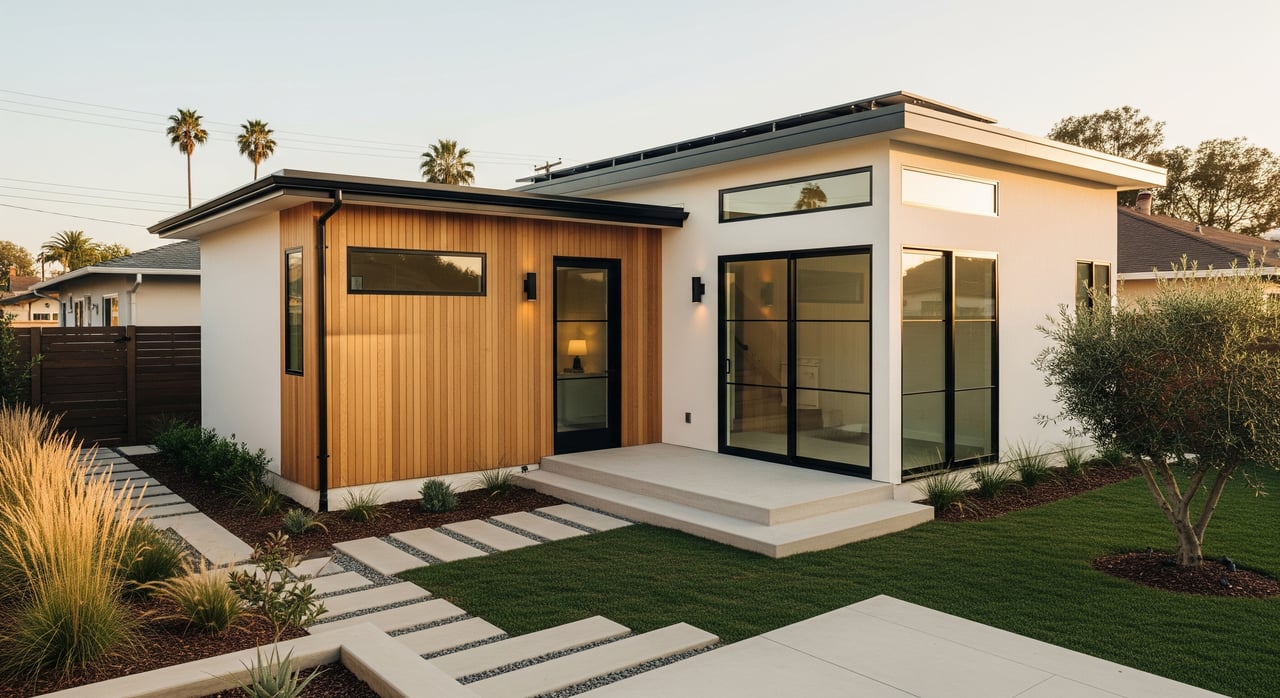
Torrance ADU Regulations and What Homeowners Should Know
December 4, 2025
December 4, 2025
Thinking about adding an accessory dwelling unit to your Torrance property? You’re not alone. Many South Bay homeowners see ADUs as a smart way to create guest space, support multi‑generational living, or generate rental income without leaving the neighborhood they love. In this guide, you’ll learn the essentials of ADU rules that apply in Torrance, how state law shapes what’s allowed, and the practical steps to get your project moving. Let’s dive in.
An accessory dwelling unit is a secondary, self‑contained home on the same lot as your primary residence. California law requires cities to allow ADUs and junior ADUs, with approvals handled through a streamlined, ministerial process when your plans meet objective standards.
In most residential zones, ADUs and JADUs are allowed under state law. Your specific path depends on zoning, lot layout, existing structures, and utility access. If you live in a multifamily zone, there may be opportunities to add more than one conversion unit within existing non‑habitable areas, subject to objective standards.
A quick eligibility check usually looks at your property’s zoning, where an ADU could fit, and how you will connect to water, sewer, and power. If you belong to an HOA, review your CC&Rs early so you understand any additional design or placement rules that apply.
California’s ADU statutes set the framework, while cities apply objective standards for size, placement, and design. In many California cities, detached ADUs can use reduced side and rear setbacks as small as 4 feet, but you should confirm Torrance’s current standards before drawing plans. Front‑yard placement is uncommon. Height limits are typically modest for detached units, and any addition or conversion must meet current building codes.
For JADUs, state law treats them as a distinct category within an existing single‑family home. They are commonly limited to about 500 square feet and may share some facilities with the primary residence, such as a bathroom, while having an efficiency kitchen and separate entrance.
State law provides several parking exemptions that frequently apply to ADUs. You may not need extra off‑street parking if your ADU is near public transit, created by converting an existing garage or carport, located in a historic district, or supported by car‑share availability. If parking is required, many jurisdictions allow it in tandem or on existing driveways, provided safety and access standards are met. Always verify what applies to your address in Torrance.
Expect standard plan check and building permit fees, plus any water and sewer connection charges. State rules limit how impact fees are assessed on ADUs, and smaller units may be exempt from certain fees. Your exact costs will depend on unit size and type, utility routing, and any site work.
Typical cost drivers include whether you are converting existing space or building new, structural upgrades, foundation work, energy and fire‑safety requirements, and finishes. Garage conversions tend to be faster and more cost‑efficient because they reduce exterior construction and site work.
Whether you can offer a unit for short‑term rental depends on local ordinances. Many cities restrict ADUs from being rented for short stays. If you plan to rent, review Torrance’s short‑term rental rules and any business licensing requirements. Long‑term leasing is a common use case, and demand in South Bay neighborhoods can be strong.
Recent state laws limit how HOAs can restrict ADUs, but associations can still apply reasonable standards. If your property is in an HOA, read the CC&Rs and design guidelines early so your plans comply with both city and community requirements. Getting written confirmation from the association before permitting can save time later.
While every property is unique, most ADU projects follow a predictable path under California’s ministerial approval framework for compliant plans.
Timelines vary with scope and completeness. Conversion projects tend to move faster because they often require less site work. Detached units that need full utilities and grading take longer. Plan on several months from a complete submittal to final occupancy, with leads and lags driven by design complexity, plan check cycles, and contractor availability.
Homeowners pursue ADUs for many reasons: multi‑generational living, caregiver space, long‑term rental income, a private office, or boosting future resale appeal. Lenders, appraisers, and insurers may treat ADUs differently than standard additions, and rental income potential can influence value. Property taxes can change when new square footage is added, so check with your lender, insurer, and the county assessor early.
Market appeal varies by neighborhood, lot layout, privacy, and proximity to services and transit. A well‑designed ADU that fits the property can enhance flexibility and future resale options.
Building an ADU is both a design and a lifestyle decision. You want a plan that fits your property, serves your family, and supports long‑term value. For neighborhood‑specific demand insights, leasing strategy, and how an ADU could shape your home’s resale story in the South Bay, connect with The Zebrowski Group. Our team can help you position your property and make confident, market‑savvy decisions.
Ready to explore your options or value impact? Request a private market valuation with The Zebrowski Group.
Stay up to date on the latest real estate trends.
Ready to get started? Reach out to us today to schedule a consultation or inquire about our services. We're here to answer your questions, address your concerns, and provide you with the support you need to make informed decisions in today's real estate market.