Craving acreage and privacy without leaving Los Angeles County? If you are drawn to open space, equestrian living, and a slower pace, Rolling Hills on the Palos Verdes Peninsula might be exactly what you want. It is a rare gated city with large lots and a quiet, rural feel. In this guide, you will learn how life in Rolling Hills actually works, what to look for in properties, and the due diligence steps that protect your investment. Let’s dive in.
Why Rolling Hills stands out
Rolling Hills is an incorporated, guard-gated city on the Palos Verdes Peninsula in the South Bay. It is small in population, roughly in the 1,700 to 2,000 range, which supports a private, small-town feel inside greater Los Angeles County. The city prioritizes low-density living with a strong equestrian culture, including bridle paths and private stables.
You will not find a commercial core within city limits. Most residents drive to nearby Rolling Hills Estates, Rancho Palos Verdes, or Torrance for shopping and services. If you value privacy, outdoor space, and a quiet setting more than walkable retail, this tradeoff can be a clear advantage.
Is Rolling Hills a fit for you?
- You want space. Most parcels are at least an acre, and many estates span multiple acres.
- You value privacy and security. The city has limited entry points and staffed gates.
- You embrace an equestrian or ranch lifestyle, or you simply want land and room to spread out.
- You are comfortable driving to nearby communities for groceries, dining, and daily errands.
If you prefer a dense, walkable environment with nightlife and frequent retail, you may find better alignment in other South Bay neighborhoods.
What homes look like here
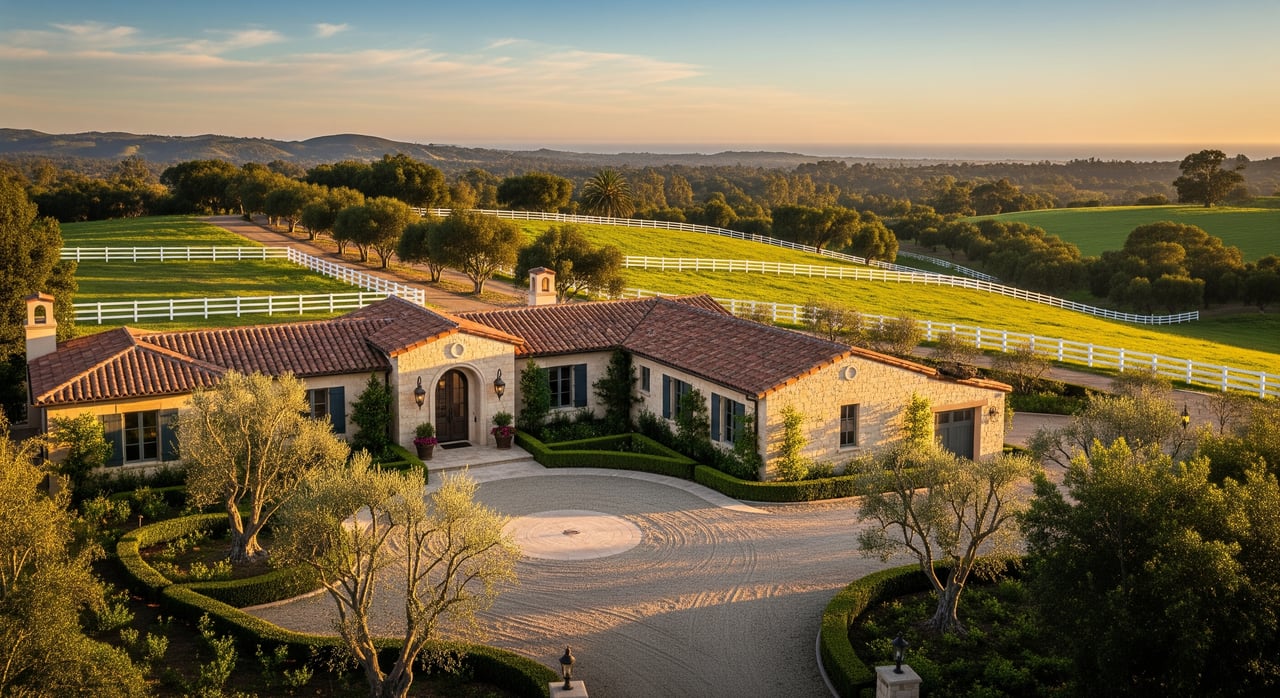
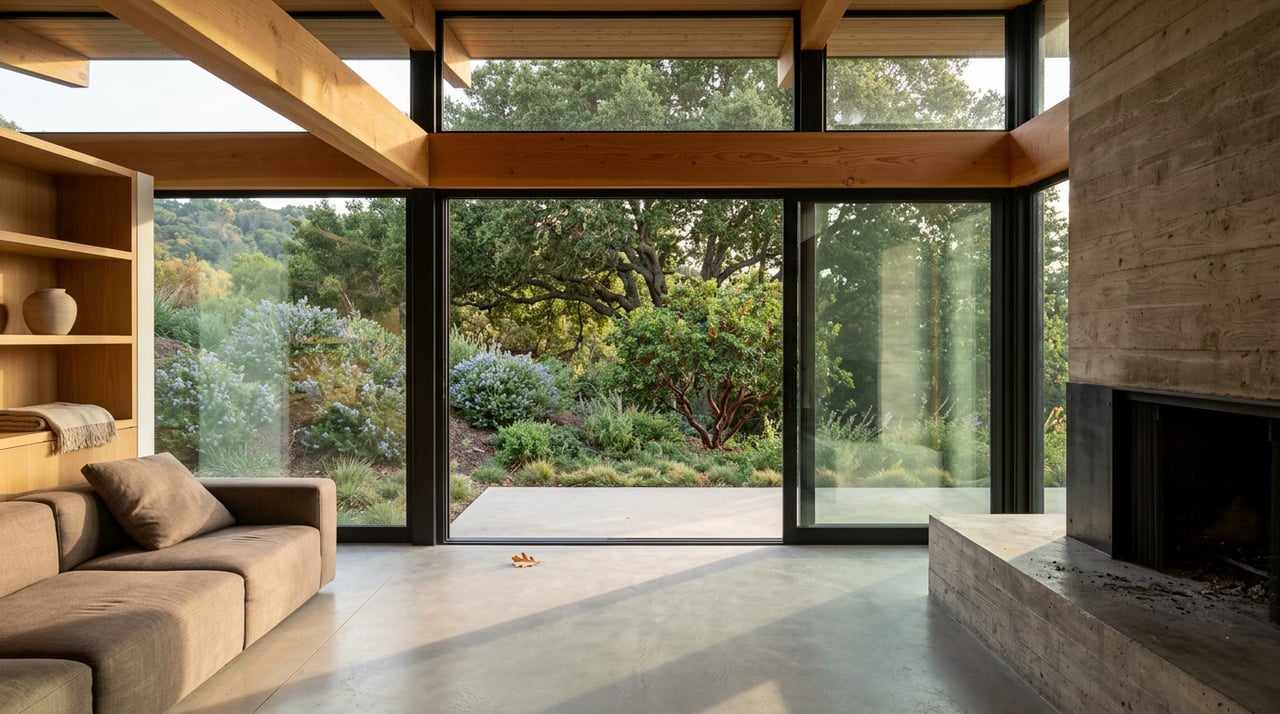
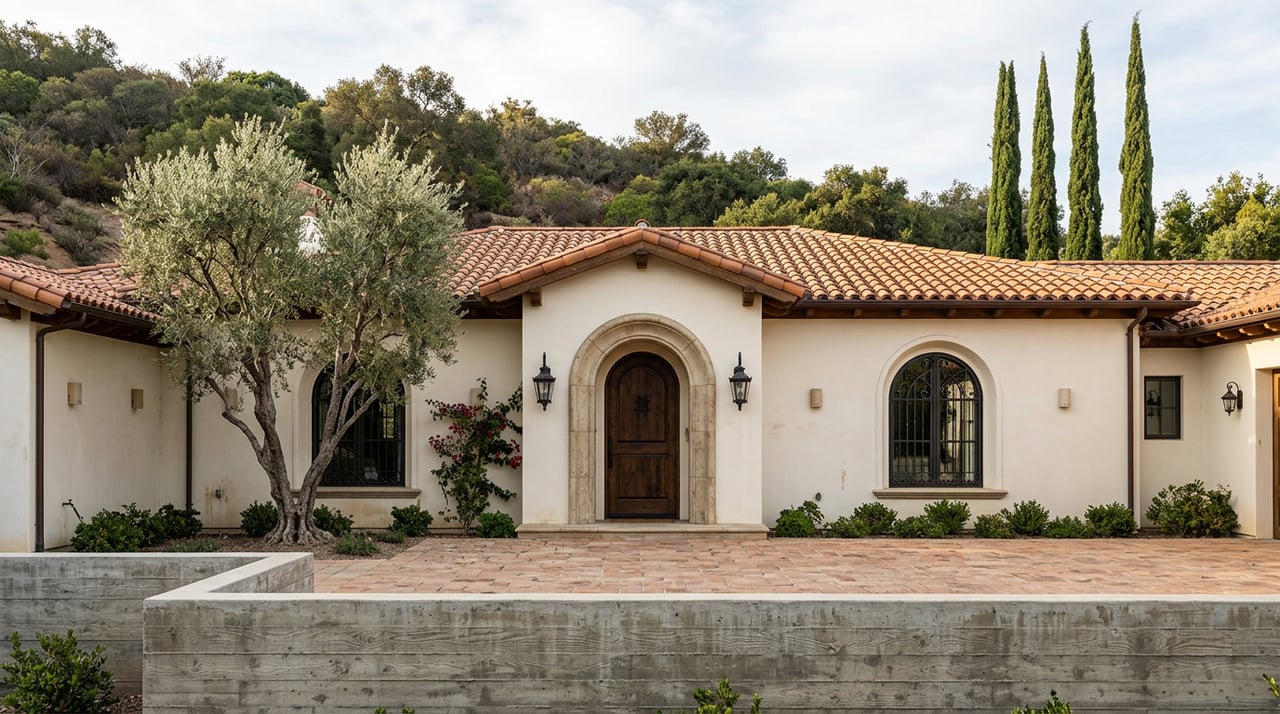
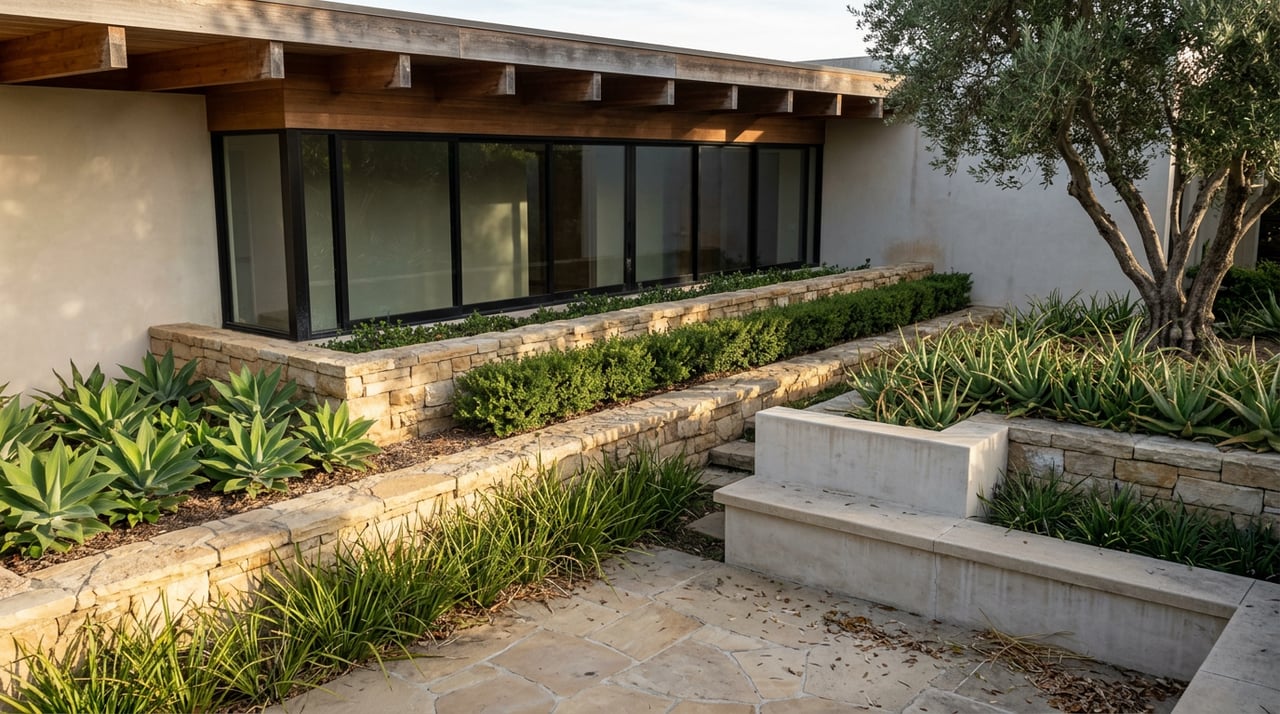
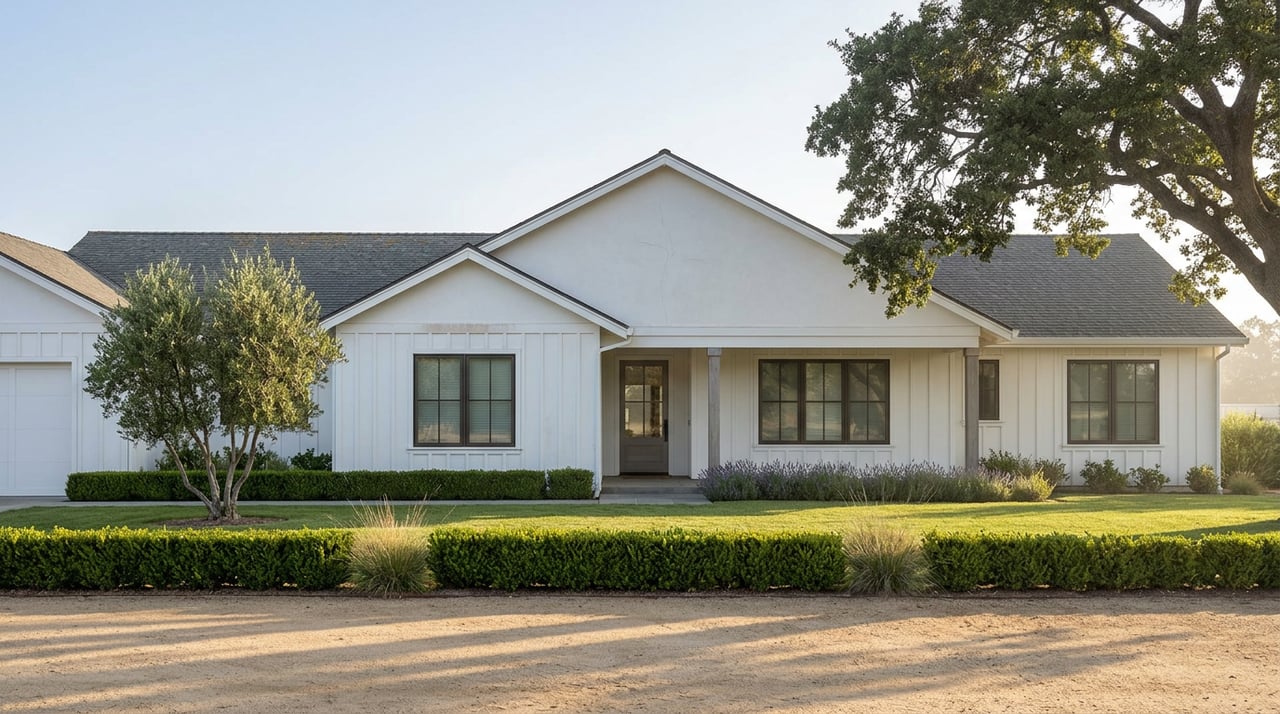
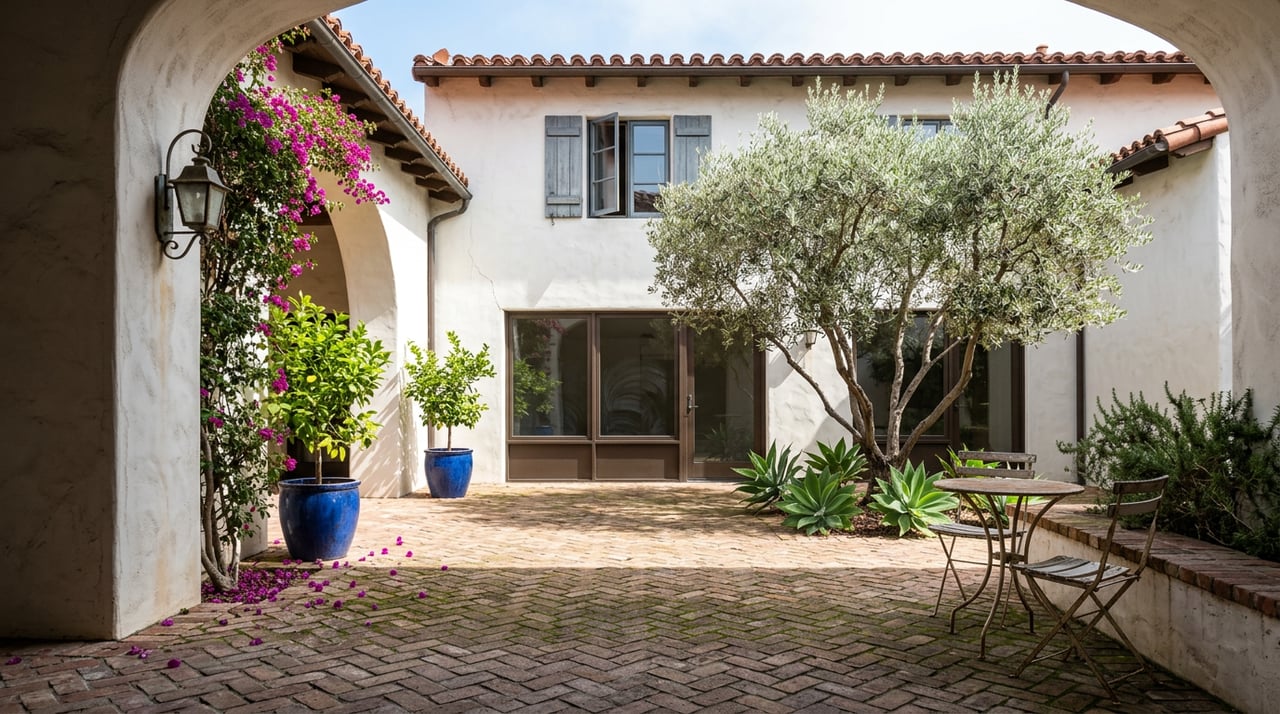
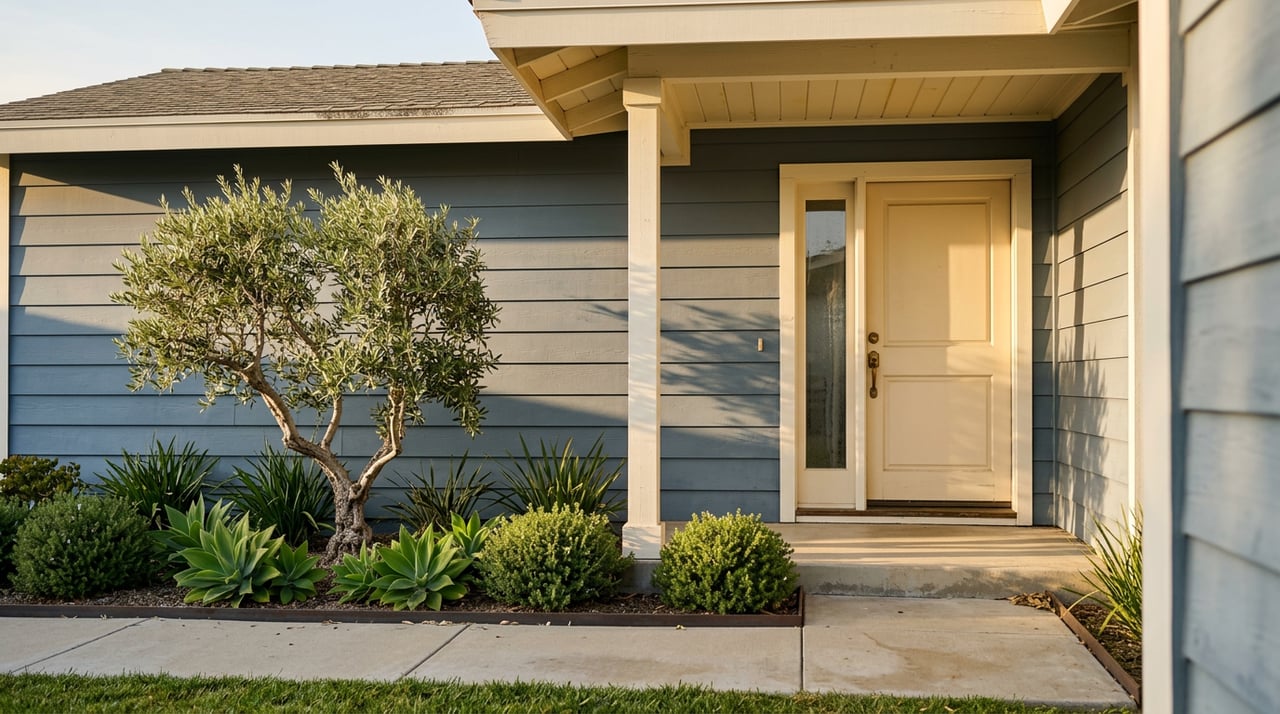
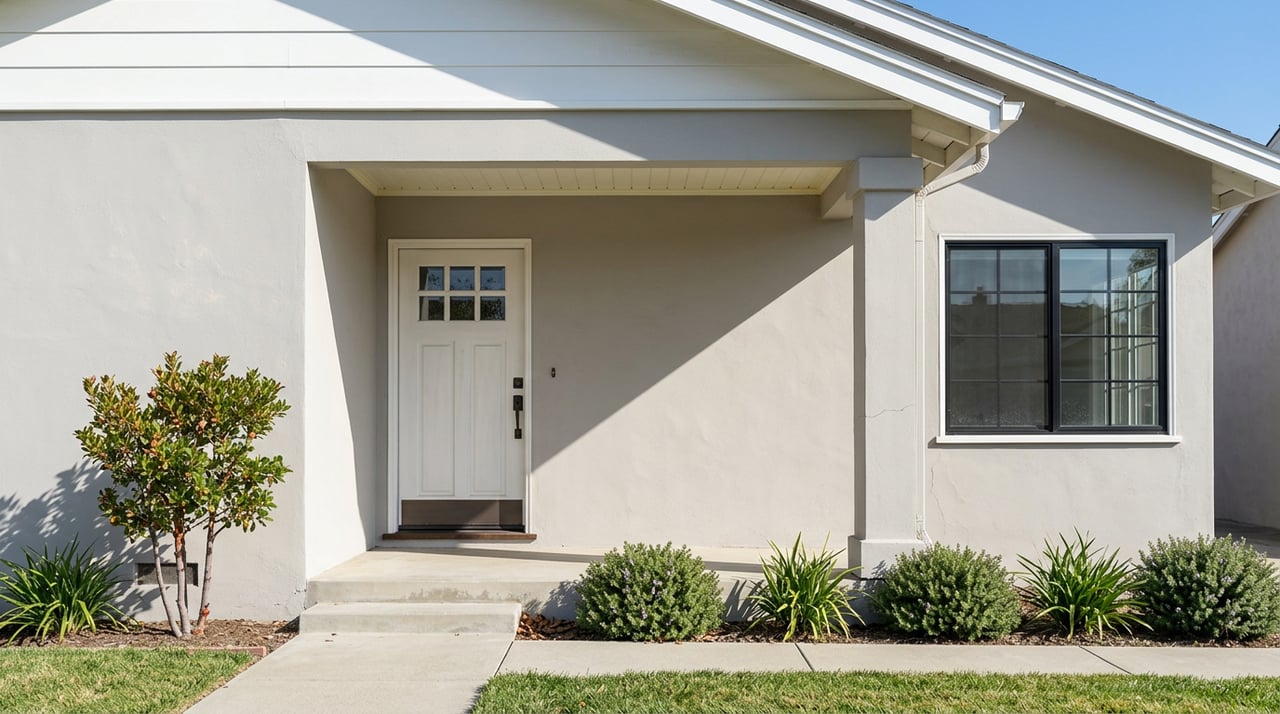
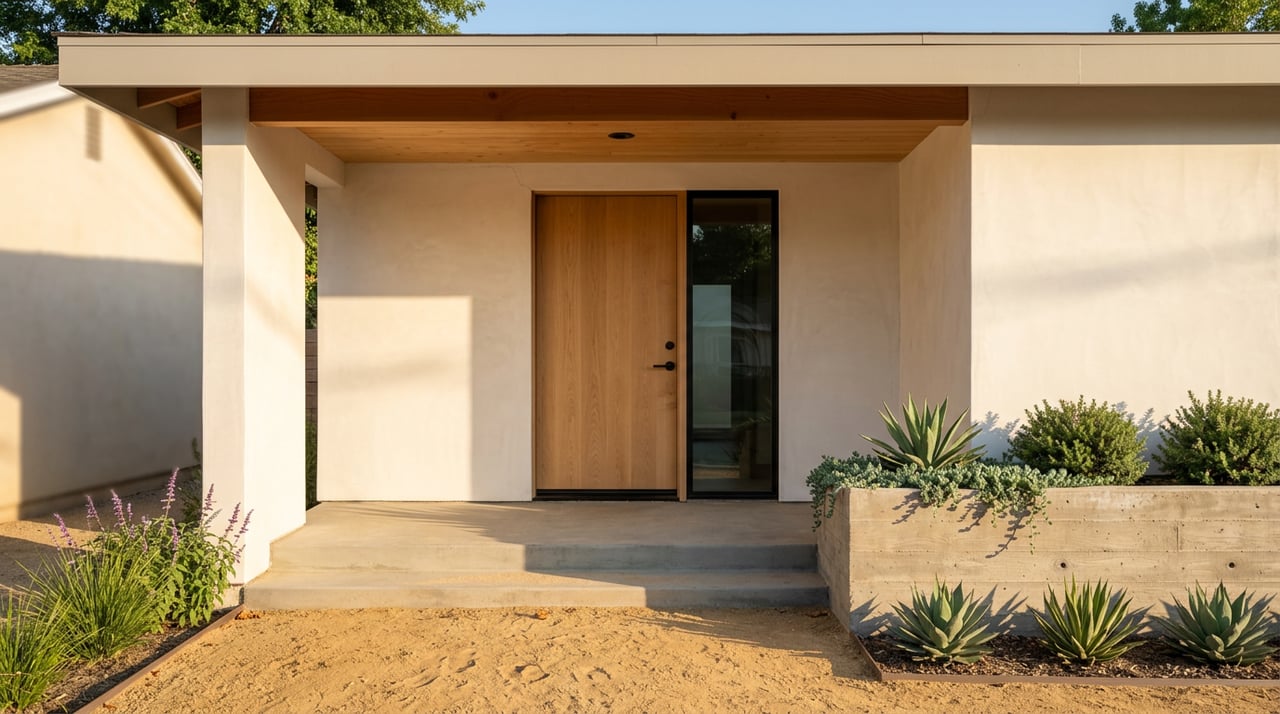
Rolling Hills is known for single-family estate homes and ranch-style properties. Many are custom built with a mix of architectural styles, from classic ranch and Mediterranean to modern estates. You will often see long driveways, mature landscaping, and gated entries that enhance privacy.
Equestrian and outdoor features
- Private barns or stables, paddocks, tack rooms, and riding arenas are common.
- Properties often connect to or sit near bridle-trail easements for convenient riding access.
- Pools, tennis courts, and large outdoor entertaining areas are frequent upgrades.
Utilities to verify
With low-density development, infrastructure can vary by parcel. Some properties use septic systems, and water can be municipal or private in certain cases. Always confirm water supply details, septic condition and capacity, and the presence and condition of utility lines serving outbuildings.
What drives value in Rolling Hills
Most homes sell at multi-million-dollar price points due to lot size, privacy, and exclusivity. Comparable sales can be sparse because many properties are unique. Land size, views, improvements like barns or arenas, and overall site design often influence valuation more than simple bedroom and bathroom counts.
Because appraisals for large-acre estates can be complex, lenders may ask for larger down payments or specialty appraisal methods. Cash buyers often have an advantage in this environment.
Your due diligence checklist
Buying in Rolling Hills is different from purchasing in a typical suburban tract. You will want to assemble an experienced team and move through a thorough checklist.
1) Zoning and easements
- Confirm permitted uses, setbacks, and building standards with the city for your specific parcel.
- Map any bridle or trail easements that cross or run along the property. Easements can affect fencing, privacy, and use.
- Review any CC&Rs or deed restrictions recorded on title.
2) Boundary and title verification
- Order a current survey. Large, irregular lot lines are common and can affect value and future plans.
- Confirm any conservation or open-space easements and their impact.
3) Utilities and on-site systems
- Septic: Inspect condition, capacity, and regulatory compliance. Budget for upgrades if needed.
- Water: Verify provider, meter location, and any private well details or water rights.
- Electrical and broadband: Check service to the main residence and all outbuildings; plan for upgrades to remote structures if needed.
4) Structural, geological, and environmental
- Geotechnical: For sloped or hillside lots, a geotechnical study is commonly required or recommended.
- Drainage: Review grading history and drainage plans across the entire parcel.
- Fire and flood: Understand wildfire exposure and defensible-space requirements. Verify flood mapping as applicable.
5) Equestrian compliance
- Permits: Confirm that barns, arenas, and stables were permitted and built to code.
- Waste management: Check rules on composting, removal, and setbacks to protect neighbors and water quality.
- Animal limits: Verify allowed animal types and counts for the parcel.
6) Insurance and financing
- Coverage: Large-acre and equestrian properties can carry higher premiums. Shop multiple carriers early and include specialty liability if applicable.
- Lender requirements: Expect possible requests for septic certifications, well tests, termite reports, and structural assessments for older outbuildings.
7) Permits, approvals, and maintenance obligations
- Confirm permit status for recent work and understand timelines for new projects. Design review and geotechnical steps can extend schedules.
- Determine who maintains gates, private roads, and any shared trail systems for your lot. Some areas have HOA-like maintenance agreements.
Life in Rolling Hills: daily rhythm
Rolling Hills offers a calm, rural-like experience within Los Angeles County. You get quiet streets, open skies, and a neighborly feel anchored by equestrian culture and outdoor recreation. Beaches, coastal parks, and hiking on the peninsula are a short drive away.
There is minimal retail inside the city, so plan to drive to nearby communities for groceries, restaurants, and services. Commute times vary widely by destination, and reaching major employment centers typically takes longer than from denser South Bay neighborhoods.
Schools and public services overview
Much of the peninsula is served by the Palos Verdes Peninsula Unified School District, which is known for high-performing schools. School assignment can vary by address, so confirm boundaries directly with the district for any specific property.
Rolling Hills relies on county agencies for policing and fire services, consistent with many small incorporated cities in the region. The city’s gated layout also adds a layer of private security at entry points.
How Rolling Hills compares nearby
- Rolling Hills vs. Rolling Hills Estates and Rancho Palos Verdes: Rolling Hills has larger lots, a stronger equestrian emphasis, and a more private, gated feel. The others offer more retail, amenities, and diverse subdivisions.
- Rolling Hills vs. Palos Verdes Estates: Both are prestigious. Palos Verdes Estates may have more architectural guidelines and smaller lots in some areas, with a different character and neighborhood flow.
- Rolling Hills vs. Manhattan Beach and Torrance: These cities are more urban or suburban with robust retail and shorter commutes. Rolling Hills is the choice if you prioritize acreage, privacy, and equestrian potential.
Buying strategy in a low-turnover market
Inventory in Rolling Hills is limited, and every property is unique. A thoughtful strategy helps you move quickly and confidently when the right home appears.
- Get fully underwritten if financing. Be prepared for appraisal complexities and lender requests.
- Start insurance quotes early, including wildfire and any equestrian-related coverage.
- Retain specialists who know large-acre and equestrian properties, including surveyors, septic pros, and geotechnical engineers.
- Review easements, permits, and maintenance obligations in detail before you remove contingencies.
- Be patient. Low turnover means fewer choices at any given moment. Consider off-market avenues to widen your search.
Next steps
If Rolling Hills aligns with your lifestyle, the right representation makes all the difference. You deserve a team that pairs local South Bay mastery with discreet access to curated and off-market inventory, marketing-driven negotiation, and a clear plan for complex due diligence. To explore active and private opportunities or to map your purchase strategy, connect with The Zebrowski Group for a confidential consultation.
FAQs
Are horses allowed on every property in Rolling Hills?
- Many parcels are equestrian-capable, but permissions depend on parcel size, zoning, and recorded restrictions. Verify with the seller and the city for the exact address.
Do Rolling Hills homes include access to bridle trails?
- There is a peninsula-wide network of bridle and trail easements, but access and maintenance obligations vary. Confirm the easement map and any fees for your lot.
What inspections are most important for Rolling Hills estates?
- Prioritize a survey, title review, septic and well inspections if applicable, structural and pest inspections, a geotechnical report for hillside sites, and permit verification for barns and outbuildings.
How does wildfire risk affect owning in Rolling Hills?
- Many properties have elevated wildfire exposure due to local vegetation. Expect defensible-space requirements, possible higher insurance premiums, and the need to confirm mitigation steps on site.
Are there HOAs in Rolling Hills or just city oversight?
- Rolling Hills is a city with municipal codes. Some areas have private agreements for gates, roads, or trails. Check recorded documents to see what applies to your property.
What should I know about utilities like septic and water?
- Some homes use septic, and water service can be municipal or private depending on the parcel. Verify provider details, system condition, and any needed upgrades during due diligence.