North vs South Redondo Beach: Lifestyle Guide
February 19, 2026
February 19, 2026
If you are torn between North Redondo and South Redondo, you are not alone. Both offer an incredible South Bay lifestyle, yet the feel on each side of town is different enough to shape your daily routine. In this guide, you will see how the two areas compare on homes, prices, schools, commute, and beach access so you can match the neighborhood to how you actually live. Let’s dive in.
Locals usually split Redondo Beach at the 190th Street and Anita Street corridor. Another common shorthand is the ZIP code divide: 90278 for North Redondo and 90277 for South Redondo. You will hear these references in listings and in everyday conversation.
Within those borders, you will find distinct micro-neighborhoods. In North Redondo, common areas include the TRW Tract, Golden Hills, El Nido, and the Villas neighborhoods. In South Redondo, you will hear about the Esplanade, The Avenues, the Pier area, Riviera Village, King Harbor, and Seaside Lagoon. When you compare homes, always look at the exact MLS map, since micro-boundaries can vary.
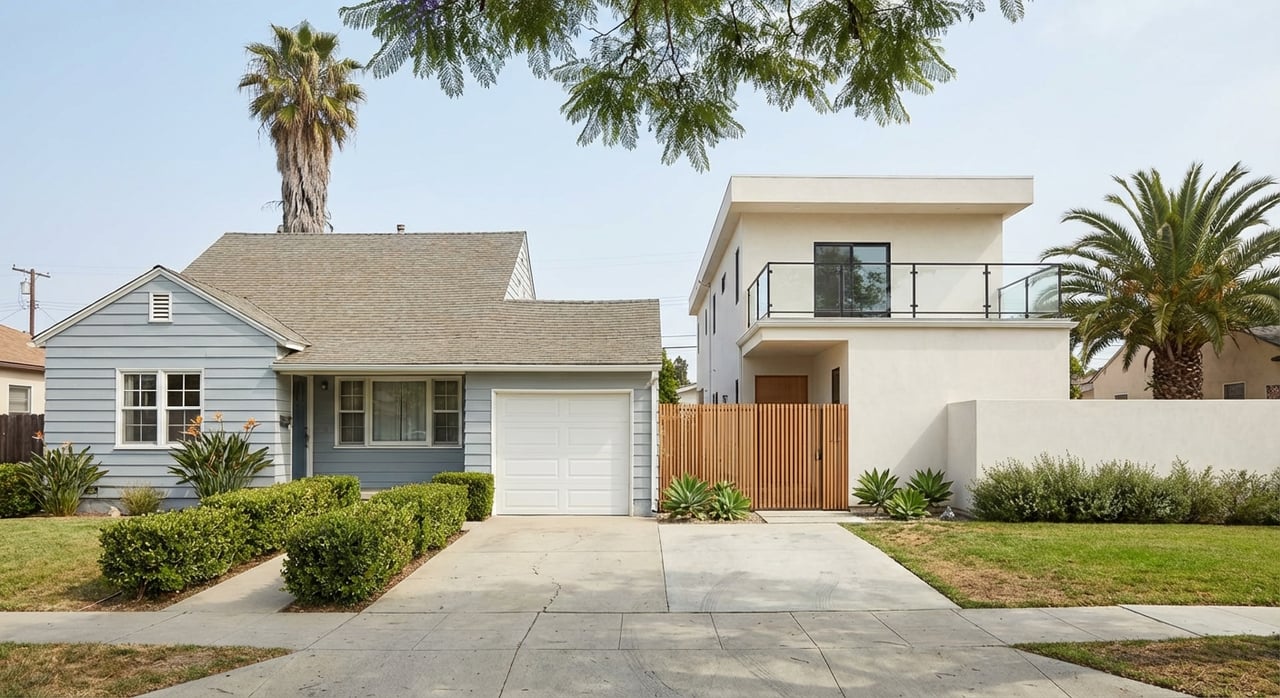
North Redondo leans more residential and inland. You will see a larger share of traditional single-family homes, many on interior lots with private garages and yards. There are also pockets of townhomes where zoning allowed infill, giving you options if you want newer finishes with a lower-maintenance footprint.
South Redondo concentrates more near the water. Expect a mix of beachfront or near-beach condos and townhomes, small-lot cottages, plus larger single-family homes on The Avenues and along the Esplanade. Many buildings near the shore are part of HOAs, especially within walking distance of the Strand, Pier, and Harbor.
Recent snapshots from industry trackers put both sides of Redondo Beach in the high six to mid-seven figures. For example, in early 2026, several neighborhood pages showed North Redondo medians near the mid–$1.5 million range and South Redondo very close to that, depending on the specific micro-area and the month reported. Near the beach, price per square foot often runs higher due to limited lot supply and walkable access to the water. Inland, you may unlock more interior space for the same budget. Always use your agent’s MLS data for the most current, offer-level figures.
If your perfect Saturday starts with a stroll by the water, South Redondo will likely feel like home. You can walk to the Pier and Riviera Village for coffee, dining, and the weekly market vibe, then pop over to King Harbor for marina activities. The family-friendly Seaside Lagoon is a highlight in warmer months.
In North Redondo, life is a bit quieter. Many blocks have easier street parking, more private driveways, and yards for pets or backyard dinners. Large inland parks and neighborhood playgrounds are part of the rhythm. Your daily experience is shaped more by home space and less by crowds, which some buyers prefer.
Both sides deliver the coastal feeling Redondo is known for. The difference is how close you want to be to the action and whether you value a bigger floor plan over immediate beach access.
Redondo Beach’s coastal spine is Pacific Coast Highway. Drivers also use Artesia Boulevard, Aviation Boulevard, Hawthorne Boulevard, and Redondo Beach Boulevard to reach the I‑405. In general, North Redondo offers slightly quicker freeway access, while South Redondo puts you closer to the Strand, Pier, and waterfront amenities.
For context, Redondo Beach is about six miles from El Segundo and roughly 7 to 8 miles from LAX. Under light traffic, that can be about a 15-minute drive, but you should expect Los Angeles variability. Commutes to Downtown Los Angeles range widely with time of day, often 30 to 60 minutes or more. For trip planning, check a live map and review the typical El Segundo distance as a starting point.
Public transit exists, and some residents use it for school, work, or beach trips. Beach Cities Transit operates the local fixed routes most relevant to Redondo, including routes 102 and 109, along with student trippers and LAX connections. You can read about current service and planned changes in the city’s updates on Beach Cities Transit. These buses connect with regional points where you can access LA Metro rail lines. For broader system context, see LA Metro’s overview. Most Redondo residents still drive, so test your route at the times you care about most.
South Redondo’s waterfront corridor is ideal if you want daily, car-light living. You will find clusters of restaurants, casual coffee runs, and scenic bike rides. The tradeoff can be more visitor traffic on event days, so plan your lifestyle around seasonal happenings. If you are comparing a few blocks, scout them during weekends and evenings to feel the rhythm. A local guide such as the South Bay events calendar can help you anticipate crowd days.
North Redondo’s feel is more residential and block-by-block. Some addresses have strong walkability to parks, cafes, or neighborhood retail, while others lean car-centric. If biking is your thing, map your route to the beach or the Greenbelt and time it during peak and off-peak periods. As with any coastal market, the lived experience can change a lot within a few streets.
Redondo Beach Unified School District (RBUSD) serves both North and South Redondo. Many North Redondo addresses commonly align with elementary schools such as Jefferson, Washington, or Lincoln, and with Adams Middle School. In South Redondo, Parras Middle School is a common feeder, and students citywide typically attend Redondo Union High School. Boundaries and permits can change, so always confirm at the address level.
For current school listings and program information, start with the district’s overview at the Redondo Beach Educational Foundation school list. If schools are a priority for you, verify attendance for your exact home search and consider touring campuses to understand programs, start times, and commute patterns. Use neutral, fact-based comparisons and focus on fit for your student’s needs.
Near the shoreline, condos and townhomes are more common, and many are governed by HOAs. Expect rules about short-term rentals, pet policies, and remodel approvals. Parking is a key detail to confirm early, including the number of assigned stalls, guest parking rules, and any local permit requirements.
Inland single-family homes are more likely to be fee-simple with garages and driveways. If you plan to remodel or build, check parcel zoning and local guidelines to understand what is possible on your lot. Your agent can help coordinate with the city, review the title profile, and identify any recorded restrictions.
Because some South Redondo parcels sit close to the water or along the bluff, ask about coastal and flood risk as part of due diligence. A quote for flood insurance and a review of any applicable coastal ordinances can help you budget with confidence.
If you like the idea of customizing a home, North Redondo generally offers more lots with post-war or mid-century stock where additions or replacements are common. Buyers often target areas like the TRW Tract or Golden Hills for potential. In South Redondo, redevelopment can be more constrained by proximity to the coast, HOA rules, and premium land values, though opportunities do appear. The right strategy depends on your timeline, appetite for construction, and financing.
Consider these quick scenarios:
Ready to narrow it down with a local pro who knows every micro-neighborhood and off-market opportunity? Reach out to The Zebrowski Group for a private tour plan and data-backed guidance tailored to your lifestyle.
Stay up to date on the latest real estate trends.
Ready to get started? Reach out to us today to schedule a consultation or inquire about our services. We're here to answer your questions, address your concerns, and provide you with the support you need to make informed decisions in today's real estate market.