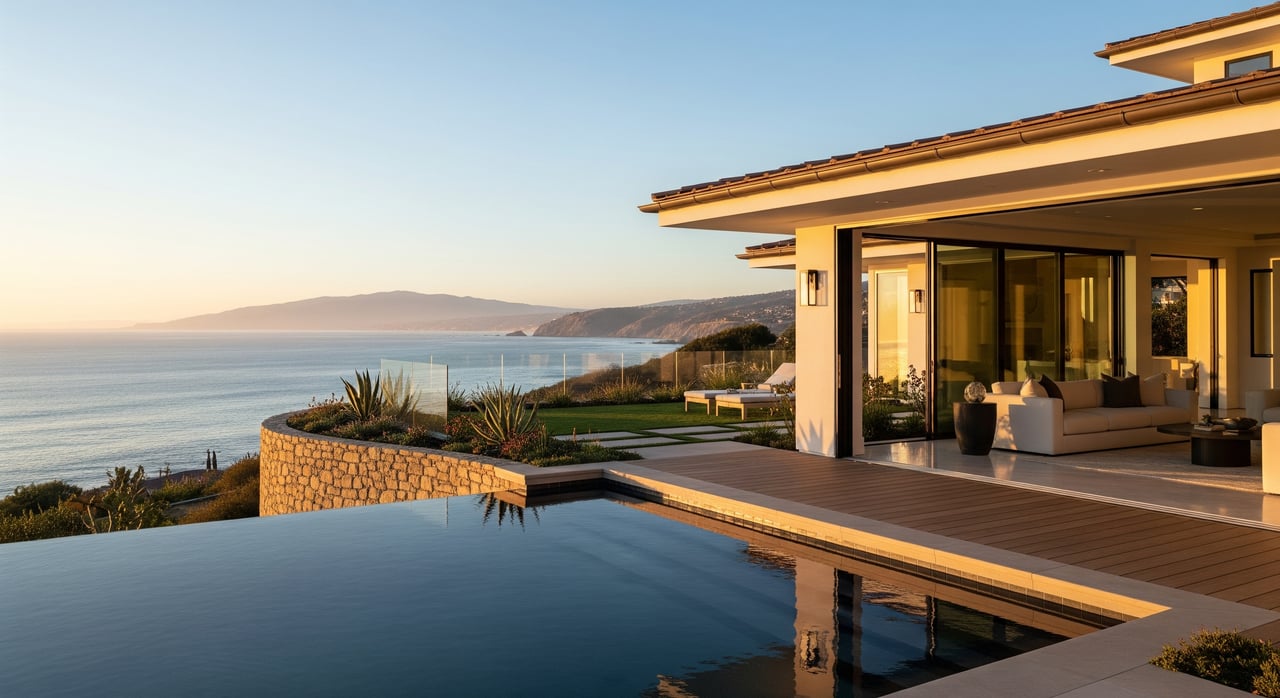
How Rancho Palos Verdes Ocean Views Shape Home Prices
December 18, 2025
December 18, 2025
Is that sweeping blue horizon worth six figures when you sell in Rancho Palos Verdes? If you are weighing a move or eyeing a view home, you are not alone. Buyers here pay close attention to how wide, permanent, and sunset‑ready a view really is. In this guide, you will learn how ocean views are priced in RPV, what appraisers look for, and how to position your purchase or sale with confidence. Let’s dive in.
A broad, uninterrupted panorama usually commands a higher premium than a small peek between rooftops. The breadth and clarity of the sightline matter because they shape your daily experience. Views with minimal foreground clutter and lower risk of future blockage are more valuable. When a view feels protected or supported by easements, buyers tend to pay more.
In Southern California, west and southwest orientations are especially prized for sunsets over the water and warm afternoon light. South-facing views toward Santa Monica Bay and Catalina Island are also highly sought after for day-long brightness. East or north exposures may still offer ocean glimpses, but these usually carry smaller premiums. Pay attention to how light moves through main living areas from morning to evening.
Higher elevations often deliver wider, longer sightlines to Catalina, Santa Monica Bay, and the coastline. This can enhance both privacy and the scale of the view. There can be trade-offs, including more wind, different landscaping costs, or erosion considerations in certain microclimates. Mid-elevation homes may balance protection and view, but they can be more susceptible to new obstructions.
Recognizable features like Catalina Island, the long curve of the peninsula, or a sweep of Santa Monica Bay can add appeal and value. Proximity to the water often correlates with a premium, but it is not the only factor. A high-elevation property farther inland with a broad panorama can outshine a closer home with a narrow sightline. Think in terms of what you actually see from key rooms, not just how close you are to the bluff.
Privacy, natural light, and outdoor living potential are part of the view premium. Sunset dining on a deck or relaxing by a fire feature can make a home feel special. At the same time, road noise, visible neighboring homes, or site-specific hazards can cut into perceived value. Balance the emotional pull of the view with practical considerations.
Appraisers lean on recent comparable sales and adjust for view differences using dollar or percentage adjustments. There is no single formula for ocean views, so local comps carry the most weight. For unmistakable panoramas or cliff-top sites, adjustments are typically larger. For partial views, adjustments are smaller and more conservative.
Industry and academic studies show wide ranges for water-view premiums, from single digits to several tens of percent in affluent coastal markets. RPV often trends toward the higher end due to constrained inventory and lifestyle demand. As an illustration, if a similar no-view home would list near $1,200,000, a clearly panoramic ocean-view version might command a 10 to 25 percent premium in many contexts. Your actual number must be built from very recent local sales.
Lenders must see support for the contract price. If recent comps are scarce for top-tier views, the appraised value can lag an ambitious list price. Sellers risk appraisal shortfalls when overpricing the view. Buyers should plan for appraisal contingencies or bring additional down payment if needed.
RPV offers Catalina Island and Santa Monica Bay vistas, long coastline panoramas, and dramatic bluff-edge outlooks. Select elevations can also capture harbor or distant skyline scenes. Each view type carries different premiums based on breadth and permanence. The more panoramic and identifiable the landmarks, the stronger the appeal.
Neighborhoods across the peninsula have distinct elevation and orientation patterns. With fewer total annual sales than larger LA areas, each closing can influence pricing more. This small sample size makes hyper-local comps crucial. Your best guide is a set of very recent sales with similar view attributes nearby.
Height limits, lot coverage, and Coastal Commission jurisdiction can shape future sightlines. Recorded view easements are rare but valuable. Vegetation growth and neighbor rebuilds are common, practical risks. Always verify local rules, permits, and any easements before you rely on a view.
Bluff and hillside properties may face erosion or slope stability considerations. Many buyers seek geotechnical assessments for peace of mind. Insurance and maintenance budgets can also be higher for some sites. Factor these into your total cost of ownership.
Morning marine layer can soften or obscure views at times, while west-facing exposures still command strong demand for sunsets. Light and shadow patterns change across the year. If possible, visit at different times of day to see the view at its best and worst. This will help you value the experience accurately.
Decide if the view is a must-have or a nice-to-have. If it is essential, you may need to stretch to secure the right orientation or permanence. If it is a bonus, prioritize layout, condition, or location convenience. Clear priorities lead to better outcomes on both sides of the table.
Provide the appraiser with a curated set of comps that mirror your view’s breadth, orientation, and elevation. Include aerial and twilight photography so the scope of the view is unmistakable. Share any documentation related to view protections or past slope mitigation. Strong visual and factual support helps justify the premium you seek.
In Rancho Palos Verdes, not all ocean views are equal. Breadth, permanence, orientation, and elevation drive pricing, and local comps set the true premium. Whether you are buying or selling, a clear-eyed analysis backed by recent neighborhood sales will protect your goals and your bottom line.
If you want a confidential read on your home’s view premium or help sourcing a standout view property, connect with The Zebrowski Group. Request a private market valuation and put our marketing-first approach to work.
Stay up to date on the latest real estate trends.
Ready to get started? Reach out to us today to schedule a consultation or inquire about our services. We're here to answer your questions, address your concerns, and provide you with the support you need to make informed decisions in today's real estate market.