Rolling Hills Gated Community Living: A Local Guide
May 21, 2026
May 21, 2026
If you are drawn to privacy, land, and a quieter kind of luxury, Rolling Hills stands apart from almost anywhere else in Los Angeles County. This is not a typical suburban neighborhood, and it is not trying to be. If you are considering a move here, it helps to understand both the appeal and the practical realities before you buy. Let’s dive in.
Rolling Hills is a gated, low-density city on the Palos Verdes Peninsula with a distinctly rural, equestrian character. The city and the Rolling Hills Community Association share the same boundaries, and the entire community sits on private property with three gated entrances staffed 24/7.
There are about 690 homes in the community, and all are single-family residences on minimum 1-acre lots. The setting is defined by space, controlled access, and a layout built around large parcels rather than dense streets or commercial corridors.
The lifestyle in Rolling Hills is shaped by privacy and open land. Instead of close-set homes and busy through-streets, you find estate-sized lots, private roads on association easements, and a strong emphasis on preserving the area’s low-profile look.
The community is also known for its views. Depending on the property, sightlines can include the coastline, Catalina Island, downtown Los Angeles, the San Gabriel Mountains, and the Port of Los Angeles. The city and association both maintain view-preservation processes, which helps protect that open visual feel over time.
One of the most defining features of life in Rolling Hills is its equestrian identity. The community includes 26 miles of bridle trails and 2 riding rings, which reinforce the rural character that has been part of the city since its early planning.
That history still shows up in daily life. Rolling Hills was established in the 1930s and evolved into an equestrian community centered on large homesites, ranch-style living, and a quieter pace. Even today, that original vision remains a big part of what attracts buyers.
Housing in Rolling Hills is overwhelmingly estate-like. According to California HCD, 99.9% of the housing stock is single-family detached, with essentially no multifamily inventory.
Homes also tend to be large. About 74% have four or more bedrooms, and the median number of rooms is 8.3. Many older homes date back more than 60 years, while newer replacement homes often range from roughly 6,000 to 9,000 square feet.
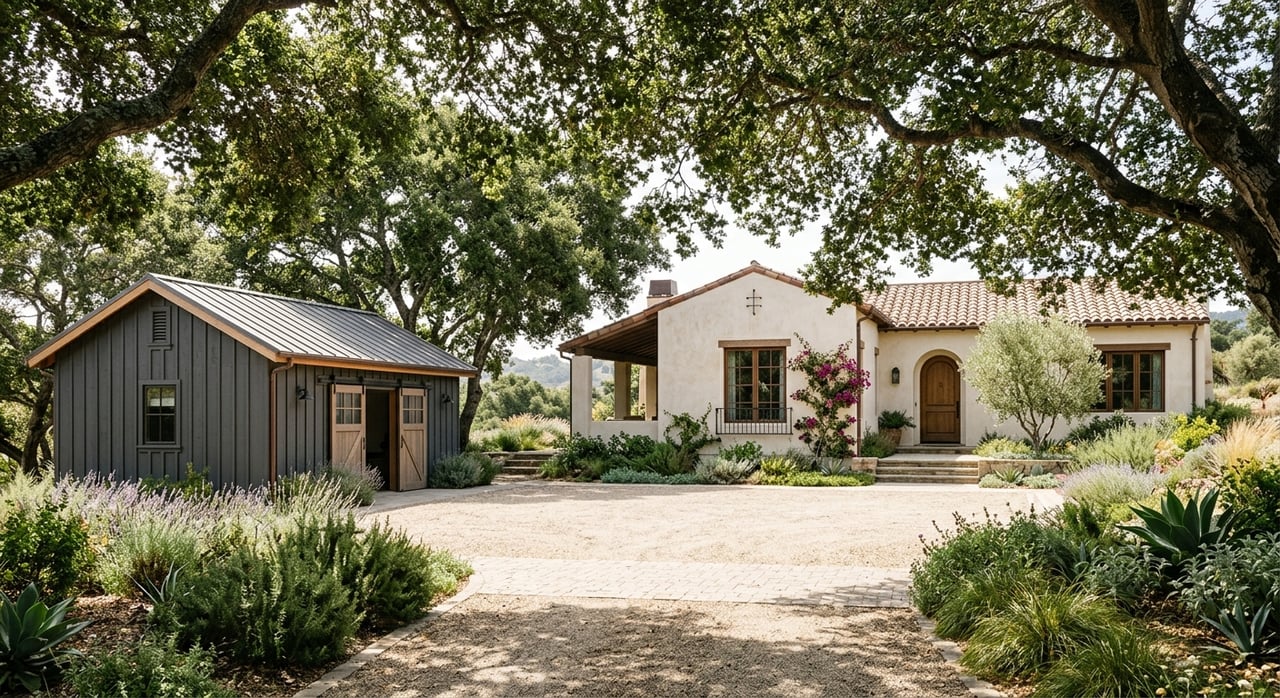
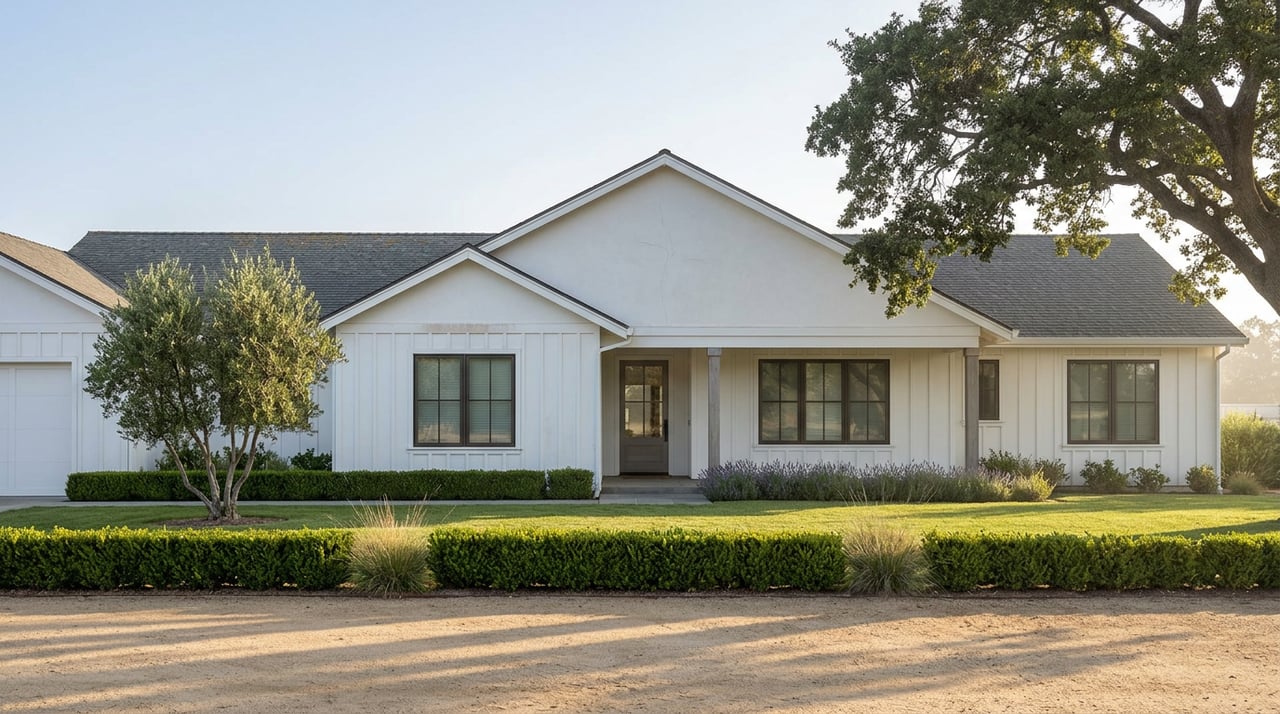
Rolling Hills has a consistent visual identity, and that is not accidental. Zoning and design standards are intended to preserve the large-lot, low-profile character of the city, including 1-acre and 2-acre minimum lot categories and one-story construction in the main residential zones.
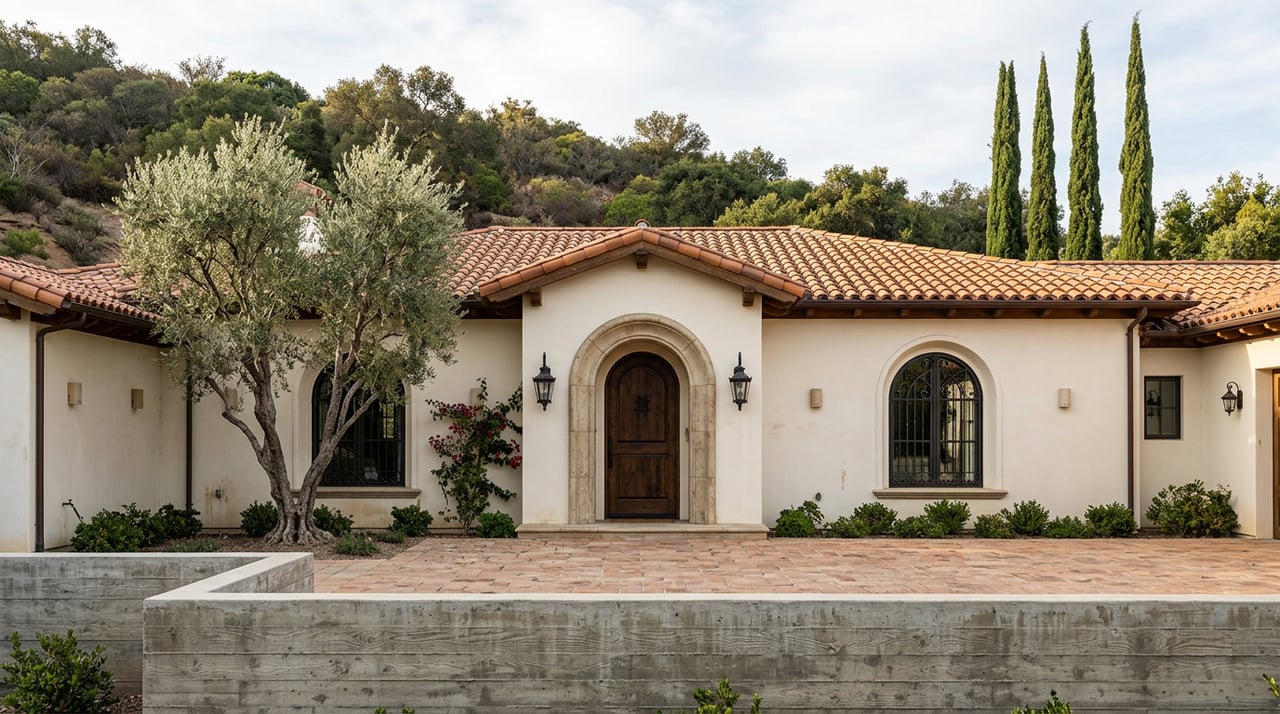
The association also closely regulates elements like exterior colors, fencing, and site details. White exteriors and three-rail fencing are part of the familiar look many people associate with Rolling Hills, giving the community a cohesive ranch-style appearance.
For a private community, Rolling Hills has a notably local social culture. Resident clubs play a meaningful role in helping neighbors connect and in giving newcomers a way to get involved.
The community includes established groups such as Caballeros, the Tennis and Social Club, and the Women’s Community Club. These clubs have long been part of local life and help anchor events, traditions, and neighbor-to-neighbor relationships.
The gates are one of the biggest draws for many buyers, but they also shape daily routines. Guests, service providers, food deliveries, and ride-share drivers must be on a resident guest list and show identification at the gate.
There are also rules that limit worker access hours, and visitors on motorcycles or bicycles are not admitted. For home tours, Realtors are required to bring prospective buyers in their own vehicle. In short, privacy here is real, but it comes with structure.
If you prefer a walkable, transit-connected lifestyle, Rolling Hills may feel limiting. California HCD reports there is no transit service within city limits, and zero percent of residents commute by public transit.
That makes this a strongly car-dependent place to live. Between the gate-controlled entries, private roads, and low-density layout, most daily movement in and out of the community happens by car.
Living in Rolling Hills also means understanding wildfire risk. The entire city lies in a Very High Fire Hazard Severity Zone, and the area’s narrow roads, steep slopes, and limited ingress and egress affect emergency planning.
Homeowners are responsible for defensible space and vegetation management on their own property. The association and county fire department handle limited shared-area maintenance and inspections, but property-level readiness remains a central part of ownership.
Another practical detail buyers should know is that Rolling Hills does not have a sanitary sewer system. Homes use septic tanks and seepage pits, and those conditions can affect additions and ADU plans.
For buyers thinking long term, this matters. If you are considering a remodel, expansion, or future site changes, septic limitations can become an important part of due diligence.
Rolling Hills sits firmly in the multimillion-dollar market, though prices can vary because inventory is limited and the city is small. Zillow reported an average home value of $3,152,664 as of April 30, 2026, while Realtor.com reported 11 active homes with a median list price of $5.4 million in December 2025.
In a market this thin, each listing can have an outsized effect on price snapshots. That is why buyers and sellers alike benefit from looking beyond headline averages and evaluating each property in the context of lot size, views, condition, and location within the gates.
Rolling Hills tends to be the best match for buyers who value privacy, land, views, and a tightly governed environment. It can be especially appealing if you want a horse-friendly setting and are comfortable with the responsibilities that come with larger properties.
It is likely less appealing if your priority is walkability, transit access, or a more flexible neighborhood environment. The appeal here is very specific, which is part of what makes the community so distinctive.
For the right buyer, Rolling Hills offers something hard to duplicate in coastal Los Angeles County. You get a rare combination of acreage, guarded access, preserved views, and an established equestrian setting, all within the broader Palos Verdes area.
That lifestyle is not only about square footage. It is about how you want your home to feel day to day: quieter, more private, and more removed from the pace of surrounding Los Angeles neighborhoods.
If you are weighing whether Rolling Hills matches your lifestyle and long-term goals, local guidance matters. The Zebrowski Group can help you evaluate available homes, understand the nuances of this gated market, and navigate the buying process with a clear strategy.
Stay up to date on the latest real estate trends.
Ready to get started? Reach out to us today to schedule a consultation or inquire about our services. We're here to answer your questions, address your concerns, and provide you with the support you need to make informed decisions in today's real estate market.