Palos Verdes Estates Art Jury Home Sale Compliance: What to Check
September 17, 2026
September 17, 2026
A Palos Verdes Estates homeowner recently faced more than $10,000 in penalties from a private architectural review board over modifications made before he owned the house. He had bought the property two years earlier and had not made the changes himself.
That case, reported by ABC7 Los Angeles this past March, illustrates how prior exterior work can affect a later owner. In Palos Verdes Estates, exterior compliance runs with the land, not with the person who created the problem. If you are buying or selling here, that single fact changes what you need to check, when you need to check it, and who actually bears the risk when nobody does.
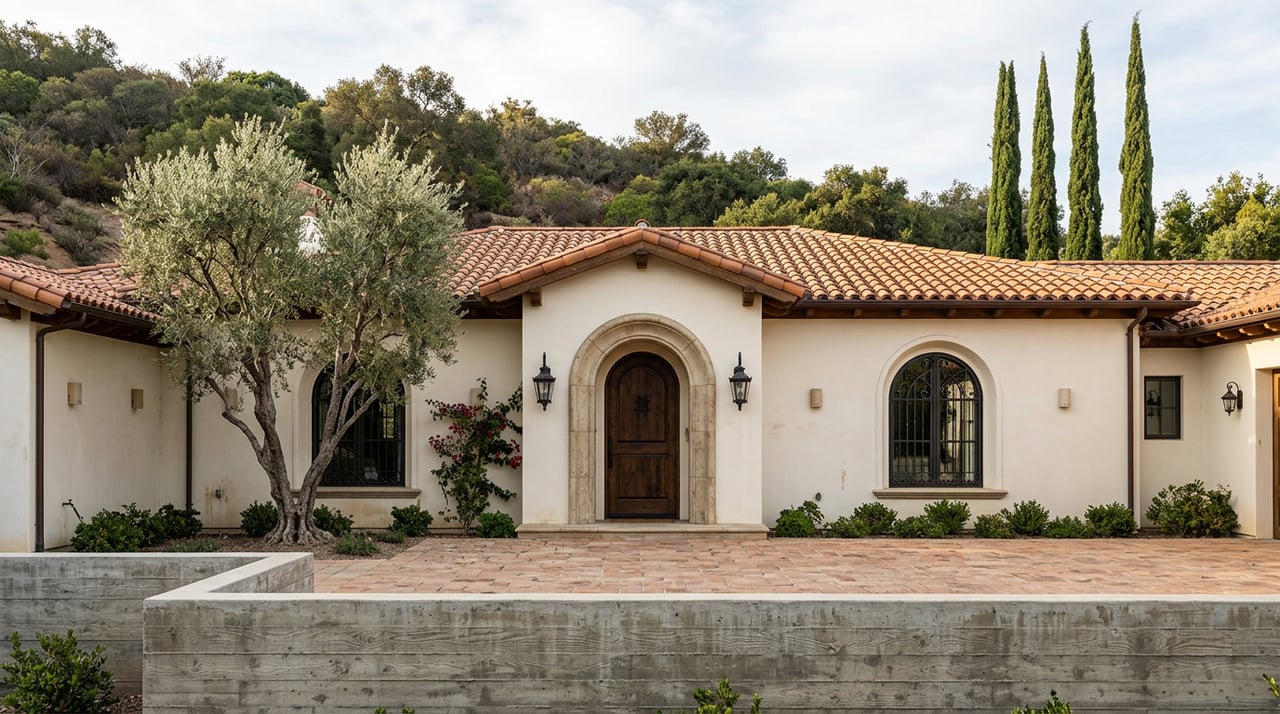
The body responsible for all of this is called the Art Jury, and it has been reviewing exterior changes in Palos Verdes Estates since 1923, sixteen years before the city itself incorporated in 1939. It operates inside the Palos Verdes Homes Association, a private organization whose authority comes from deed restrictions recorded against the land as part of the original 1923 Palos Verdes Trust Indenture. The founding architects, including Myron Hunt, who also designed the Malaga Cove Library, used that authority to establish the Spanish, Mediterranean, and California-style character still visible across the Peninsula today.
The Art Jury and the city are two separate systems. The city handles zoning, setbacks, grading, and building safety through its Planning and Building departments. The Art Jury handles appearance: does the roofline, the paint color, the fence, the addition fit the neighborhood's established character. City approval does not substitute for Art Jury approval, and the reverse is also true. Together, the two bodies have jurisdiction over roughly 5,500 properties across Palos Verdes Estates and the Miraleste neighborhood of Rancho Palos Verdes, a boundary quirk left over from before either city existed.
Almost anything visible from the street or a neighboring lot falls under Art Jury jurisdiction. Interior renovations generally do not. Common triggers include:
Simple items like a paint color change can clear review in a few weeks. Larger projects, including second stories, new homes, or anything requiring grading, can take three to nine months and go through multiple rounds. Project-specific Art Jury fees, separate from architect or construction costs, typically range from $1,000 to $15,000 depending on scope.
The ABC7 case highlights a point for prospective buyers. The Homes Association's own guidance to prospective buyers states it plainly: absent a formal compliance inspection, a new owner assumes all non-compliant conditions on the property, along with the obligation to correct them. It does not matter who built the fence, painted the trim, or added the skylight. It does not matter how long ago it happened. That obligation transfers to the new owner at closing.
One homeowner interviewed by ABC7 described the frustration of a review process that regulates details invisible to anyone outside the property line.
"It doesn't matter whether you can see it or not."
That is not a complaint about aesthetics. It is a description of how the liability attaches. A previous owner's unapproved window swap, patio pour, or re-roof does not expire when the house changes hands. It waits. A lender, an insurer, or a buyer's inspector may find it during escrow.
A Palos Verdes Estates transaction may involve two separate compliance records that come from two different desks and age on different schedules.
| PVHA Completion & Compliance Inspection | City Real Property Records Report | |
|---|---|---|
| Administered by | Palos Verdes Homes Association (private) | City of Palos Verdes Estates |
| What it verifies | Whether exterior changes match plans the Art Jury actually approved | Permit history and recorded code compliance |
| When buyers typically encounter it | Only if specifically requested during escrow | Standard disclosure most agents already request |
| Risk if skipped | Buyer inherits any unapproved exterior change from any past owner | Buyer inherits any unpermitted work the city record didn't catch |
The city's records report and the PVHA's own compliance inspection are separate records. The PVHA inspection is not a routine step until someone orders it, so the Art Jury file is worth asking about early.
An unresolved Art Jury item may affect a Palos Verdes Estates sale's timeline and price. A seller who lists without addressing an open Art Jury item, or a buyer who assumes a home's prior sale meant everything was already approved, may need to address it during escrow if a lender or insurer flags it and asks for either retroactive approval or a repair credit. Addressing an open item before listing may help reduce delays or renegotiation.
If you are selling, request a Completion & Compliance Inspection from the Homes Association before you list, not after you get an offer. Gather any Art Jury approval letters and permits for past exterior work and keep them with your disclosure file. If a prior modification was never approved, retroactive approval is almost always faster and cheaper to pursue before a buyer's lender finds it than after.
If you are buying, ask for both compliance files during your due diligence period, including the PVHA's own compliance inspection. Walk the exterior with your inspector and flag anything that looks like it could be an addition, a re-roof, or a repainted trim line, then confirm it was approved. A home that has changed hands multiple times without anyone ever ordering a PVHA inspection is not necessarily a problem. It is, however, a genuine unknown, and in a market where the fine for someone else's mistake can run into five figures, an unknown is worth thirty minutes of a phone call before you write an offer.
Does the Art Jury review interior renovations? Generally no. Its authority covers what is visible from the street or a neighboring property, not what happens inside the walls.
I inherited the house and never touched the exterior. Am I still exposed? Possibly. The obligation travels with the property, not with whoever made the change. If a previous owner made an unapproved modification decades ago, the current owner is the one who has to resolve it at sale.
Does this apply anywhere near Palos Verdes Estates, or just inside the city limits? It applies inside Palos Verdes Estates and, separately, inside the Miraleste neighborhood of Rancho Palos Verdes, because Miraleste was part of the original 1923 Palos Verdes Project before either city incorporated. It does not extend to the rest of Rancho Palos Verdes, nor to Rolling Hills or Rolling Hills Estates, which each answer to their own review processes. Always confirm jurisdiction by the specific address.
How long should I budget for both approvals if I'm planning exterior work before I sell? Plan for at least 30 to 90 days when a project needs both Art Jury and city sign-off, longer for hillside lots, additions, or anything requiring geotechnical review.
Palos Verdes Estates is one of the few places in Southern California where a private board that predates the city helps preserve a street's character. For buyers and sellers, checking the paperwork before closing can clarify a property's compliance history. If you are weighing a purchase or preparing to list and want a clear read on where a specific property stands, The Zebrowski Group can walk you through what the compliance history actually shows before you're in escrow. Request a private market valuation and we'll start there.
This article is general information, not legal, tax or financial advice. Consult a qualified professional about your situation.
Stay up to date on the latest real estate trends.
Ready to get started? Reach out to us today to schedule a consultation or inquire about our services. We're here to answer your questions, address your concerns, and provide you with the support you need to make informed decisions in today's real estate market.