Manhattan Beach Sand vs Hill Section: Price per Square Foot
October 1, 2026
October 1, 2026
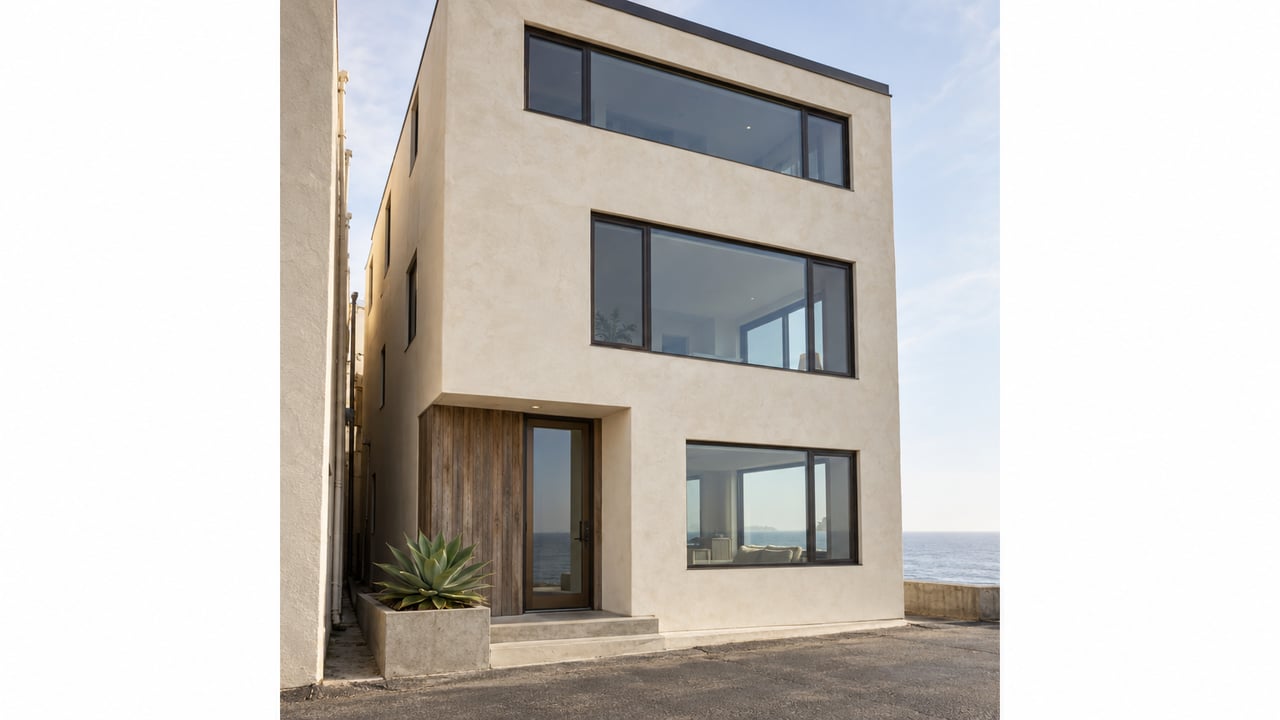
Ask a buyer touring Manhattan Beach which section costs more per square foot, the beach cottages on 30-foot lots or the view estates on the bluff, and most guess the bluff. The opposite is true. Sand Section lots, some as narrow as 30 by 90 feet, have been posting the highest price per square foot in the city through 2026, while Hill Section homes on larger lots carry a lower per-foot number even as their total sale prices run higher. The median price for the city tells you almost nothing about which of these two very different products you're actually pricing.
That inversion isn't a quirk of one data provider's math. It's a physical constraint written into the zoning code, and it shows up again in a rule that catches new owners off guard before they've even unpacked: the strip of land in front of a Sand Section walk-street home that looks like a front yard but legally belongs to the city.
Walk streets are the pedestrian-only corridors that run through the Sand Section down to the beach, and homes that face them typically include a landscaped strip between the front door and the public path. Most owners treat it as their yard, but the strip is subject to a separate set of rules.
Manhattan Beach's citywide View Ordinance runs on a related logic. Fences, walls, and hedges are generally capped at six feet in side and rear yards and 42 inches in front yards under the municipal code, and where a coastal development permit is required, any request to build higher can only be approved if the added height doesn't block public views of the ocean, the beach, or the shoreline. A buyer comparing a Hill Section lot to a Sand Section walk-street lot isn't just comparing square footage and view exposure. They're comparing two different sets of rules about how much of that lot they can actually enclose, screen, or extend upward, which is a real cost when privacy and outdoor living space are part of what you're paying for.
Manhattan Beach real estate coverage tends to report one median price for the whole city, but the city's own housing and planning documents organize the community into distinct areas, commonly known as the Sand Section (also called the Beach Area), the Hill Section, and the Tree Section, and each behaves like its own market.
| Typical lot size | Price per square foot (2026) | Typical total price (2026) | |
|---|---|---|---|
| Sand Section | ~2,700 sq ft (30' x 90') | Roughly $2,200 to $2,320 | Roughly $4M to $6M, higher on premium walk streets and The Strand |
| Hill Section | 4,500 to 9,000 sq ft | Roughly $1,540 to $1,650 | Roughly $6.5M to $8.4M, higher for view trophy homes |
| Tree Section | 5,000 to 7,500 sq ft (roughly 40' wide) | Roughly $1,480 to $1,540 | Roughly $3.5M to $4.2M |
Sand Section holds the highest per-foot number by a wide margin even though its total prices are often lower than Hill's. Hill Section carries the highest total price precisely because its lots are large enough to support bigger homes, not because the land itself is worth more per foot. Tree Section sits in the middle on both measures, the closest thing the city has to an apples-to-apples comparison point.
The mechanism isn't mysterious once you look at what each section can physically hold. A 2,700-square-foot lot in the Sand Section has almost no room to spare after setbacks and lot coverage rules take their share, which helps explain why Sand Section homes are typically built vertical with rooftop decks rather than sprawled across a yard.
The same scarcity shows up in accessory dwelling unit potential, an increasingly relevant consideration given the rental income and long-term value ADUs represent for owners. Sand Section lots typically don't have the buildable ground left over for a detached ADU once the primary residence and its setbacks are accounted for, according to a 2026 local ADU builder's assessment of the area. Hill and Tree Section lots, with several thousand more square feet to work with, generally do. A Sand Section buyer is paying a premium for beach adjacency and a walkable footprint, not for expansion room. A Hill or Tree Section buyer is paying less per foot for exactly the thing Sand can't offer: land.
Anyone pulling Manhattan Beach pricing from more than one source in 2026 will notice the topline median doesn't match cleanly across providers. Citywide median figures reported this year have ranged from the low $3 millions to over $4.2 million depending on whether the number reflects sold price, list price, or a rolling monthly snapshot, and each data provider defines its boundaries and time windows differently. That variance is real, and a buyer using a single headline number to anchor an offer is working with less precision than the number implies.
What holds steady across sources, though, is the ordering: Sand consistently prices highest per square foot, Hill consistently carries the highest total price, and Tree sits between them on both counts. The section-level pattern is more reliable than any single citywide median, because it reflects the underlying lot and zoning constraints rather than whatever mix of homes happened to close in a given month.
For a buyer prioritizing walkability, beach access, and a smaller footprint to maintain, the Sand Section's per-foot premium is the price of that footprint, not a sign the area is generically more expensive. Comparing a Sand Section listing to a Hill Section listing on price per square foot alone will make Sand look overpriced when it's actually reflecting a different physical product, one with less land and a fence and view ordinance that governs how much of the small lot you can actually use for outdoor living.
For a buyer prioritizing expansion room, a pool, or ADU income, the Hill or Tree Section's lower per-foot number reflects genuine land value rather than a discount. The larger lot is the product, with more room for a broader footprint.
For a seller, the section your home sits in should shape how you frame the listing. A Sand Section walk-street home should lead with what a 2,700-square-foot lot delivers that no other section can: proximity, the vertical build that maximizes limited land, and a lifestyle built around the walk-street itself. A Hill or Tree Section home should lead with what its lot actually offers beyond square footage, whether that's ADU potential, pool and yard space, or room to expand.
Does the View Ordinance apply outside the Sand Section? The citywide fence, wall, and hedge height limits apply across Manhattan Beach. The specific concern about protecting public ocean views through a coastal development permit is most often triggered in areas where a fence increase could block a sightline to the water, which is more common near the coast than in the Tree Section's interior blocks.
What does a larger Hill Section lot offer? It can offer more room for a wider footprint.
Why do different sites report different median prices for the same month? Providers use different sold-versus-list price definitions, different date ranges, and different section boundaries, which is exactly why a single citywide median is a weaker comparison tool than looking at price per square foot within a specific section.
If you're weighing a Sand Section walk-street cottage against a Hill Section view lot, the honest comparison starts with what each piece of land can and can't do, not with a single median price pulled from a portal. The Zebrowski Group tracks these section-by-section patterns block by block across Manhattan Beach and can walk you through what a specific lot's zoning actually allows before you write an offer.
This article is general information, not legal, tax or financial advice. Consult a qualified professional about your situation.
Stay up to date on the latest real estate trends.
Ready to get started? Reach out to us today to schedule a consultation or inquire about our services. We're here to answer your questions, address your concerns, and provide you with the support you need to make informed decisions in today's real estate market.